crop co-op
cambridge, ON // apr 2022
> university of waterloo
+ dezeen feature
+ ArchiDiaries publication
+ wallman architects AWARD in sustainable urban design
+ @waterloo_architecture instagram feature
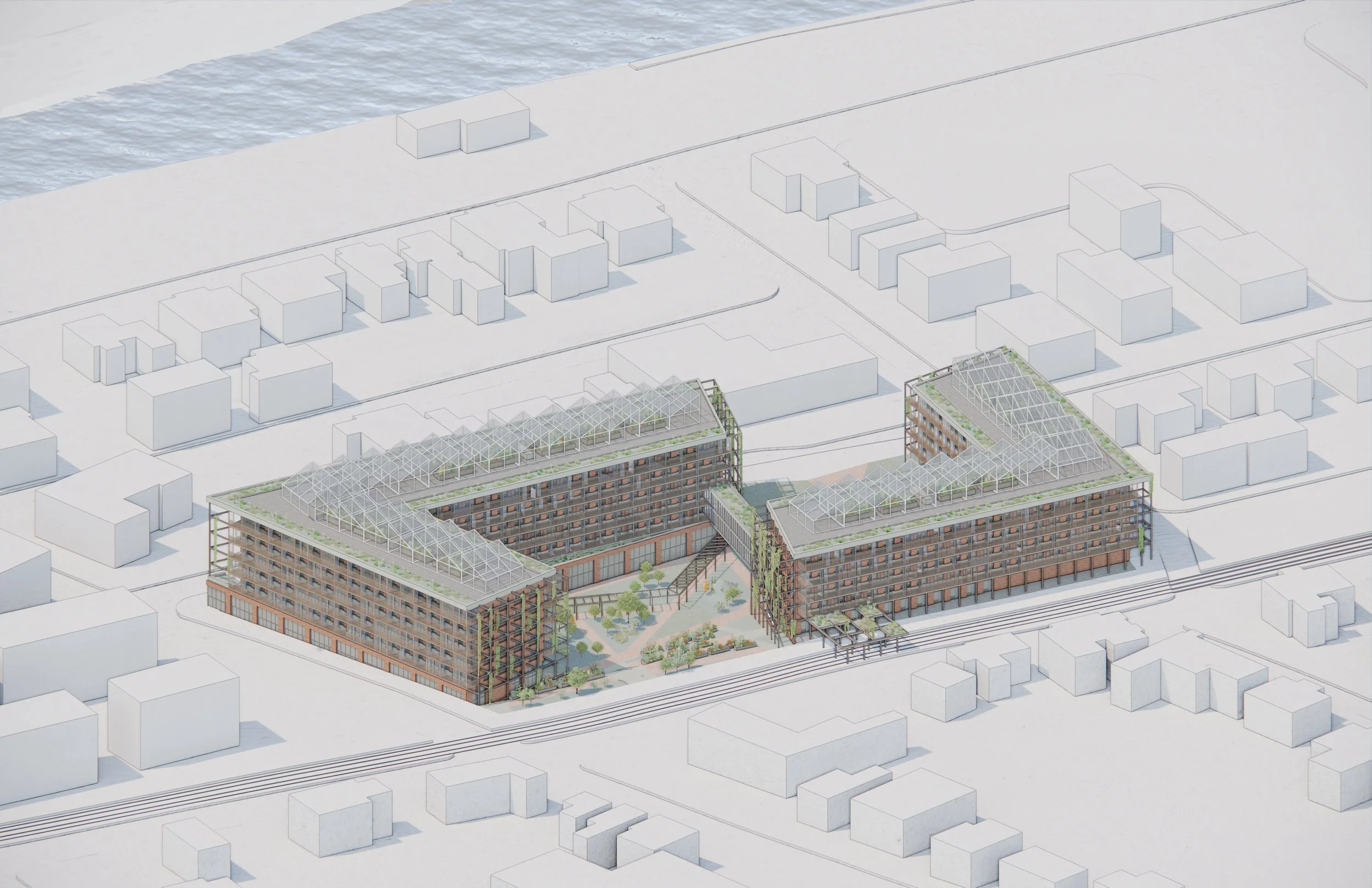
Crop Co-op is a proposed social housing project in downtown Galt, built around shared food growing, flexible living, and simple modular construction. The project explores how sustainability can be practiced through daily activity, long-term living, and building construction. At its core, it considers food as a social and spatial framework, an activity that connects residents through growing, cooking, and eating. The idea of flexibility extends into social and environmental resilience, where the architecture supports both individual and collective well-being. Crop Co-op imagines a model of housing where sustainability is lived daily in the cycles of growth and care.
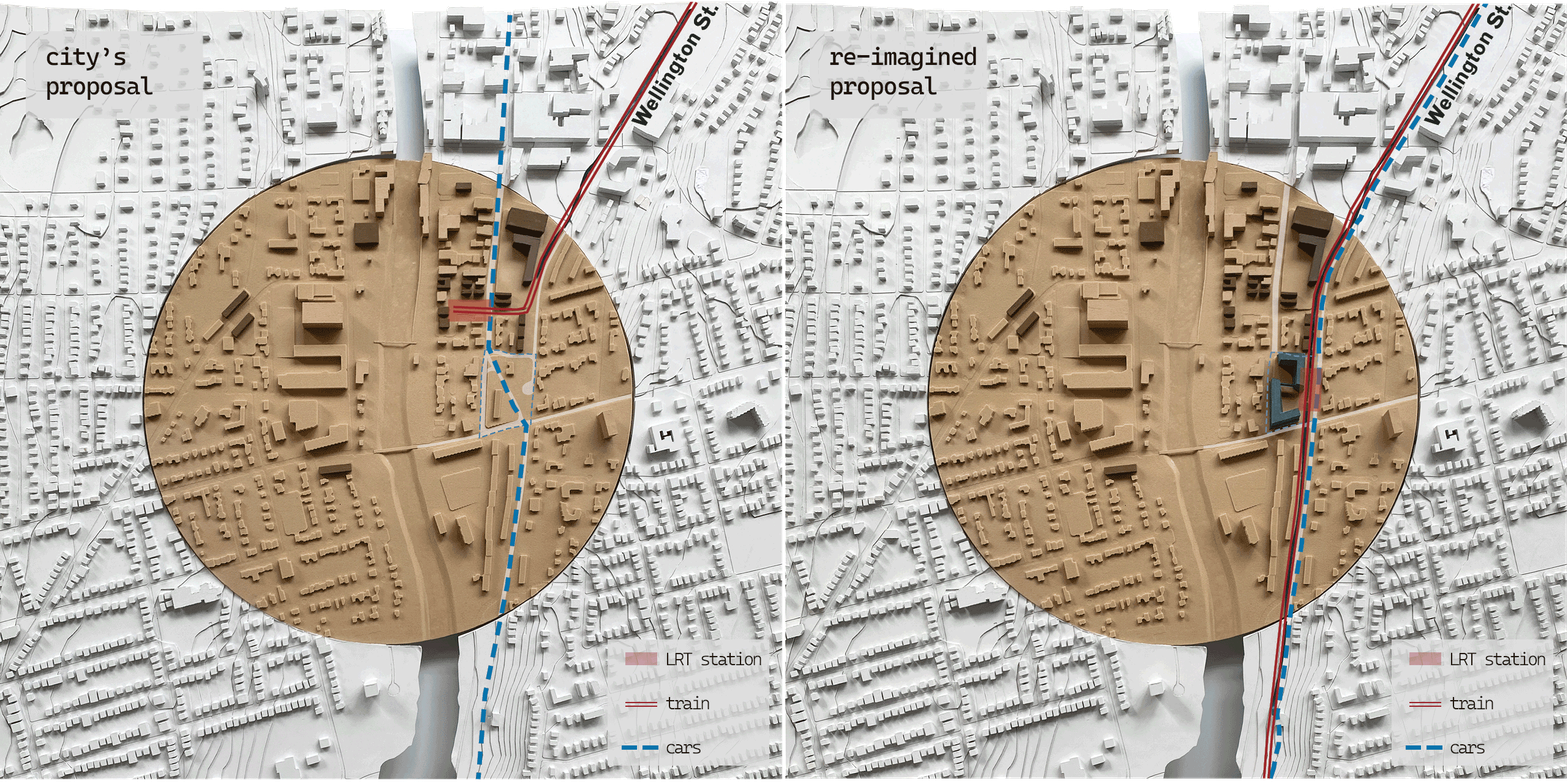
The project is prompted by the proposed LRT line, planned to terminate at the Ainslie Station. Instead, the design repositions the terminal to allow for future extension, connecting more communities along the route. Major traffic is redirected away from the heart of Galt to Wellington Street, opening the city core for pedestrians. Two fragmented triangular sites are merged into one block shared between the new station and Crop Co-op.
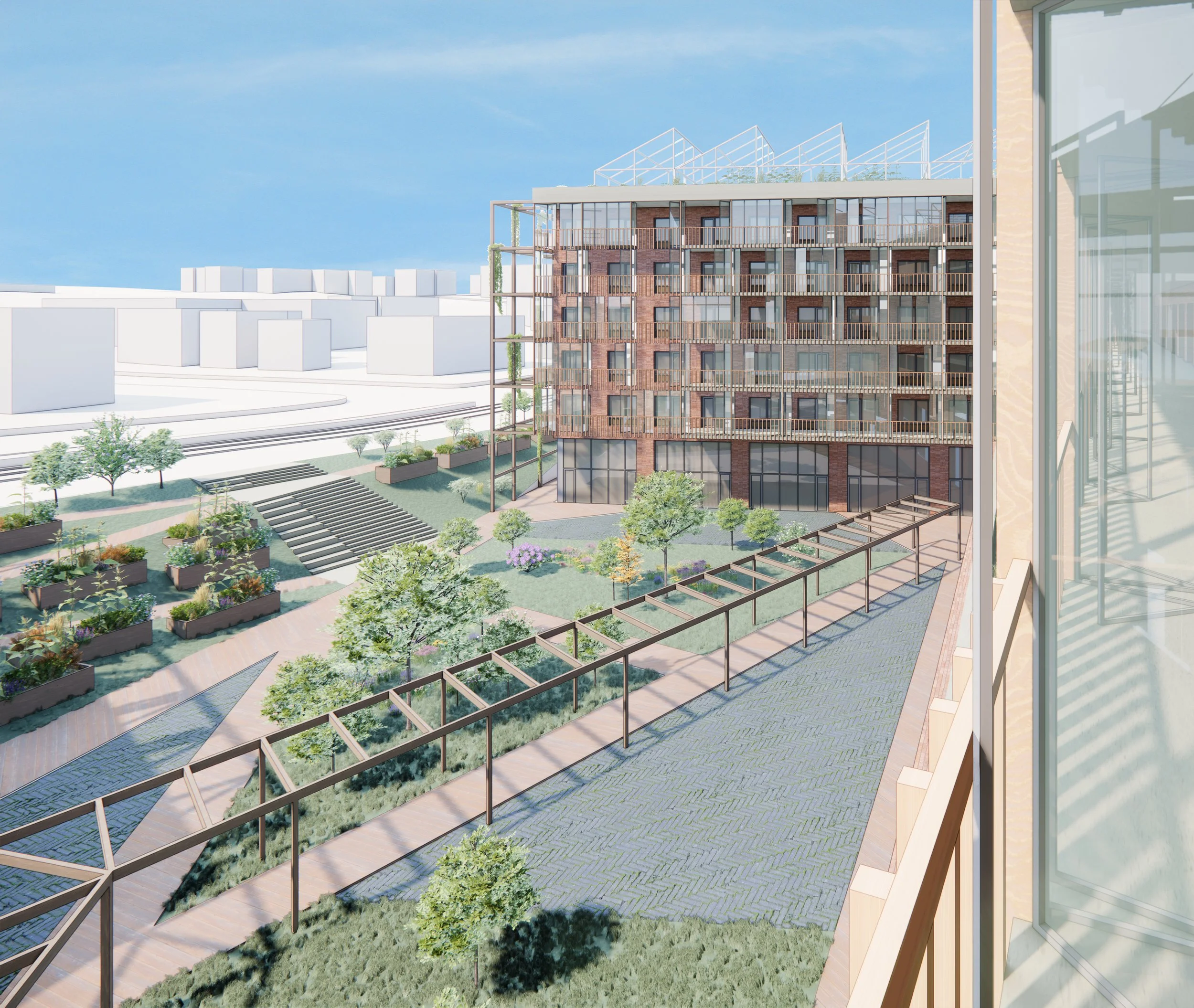
Crop Co-op’s sustainability philosophy is three-fold. It is grounded in daily activity, long-term living, and building construction.
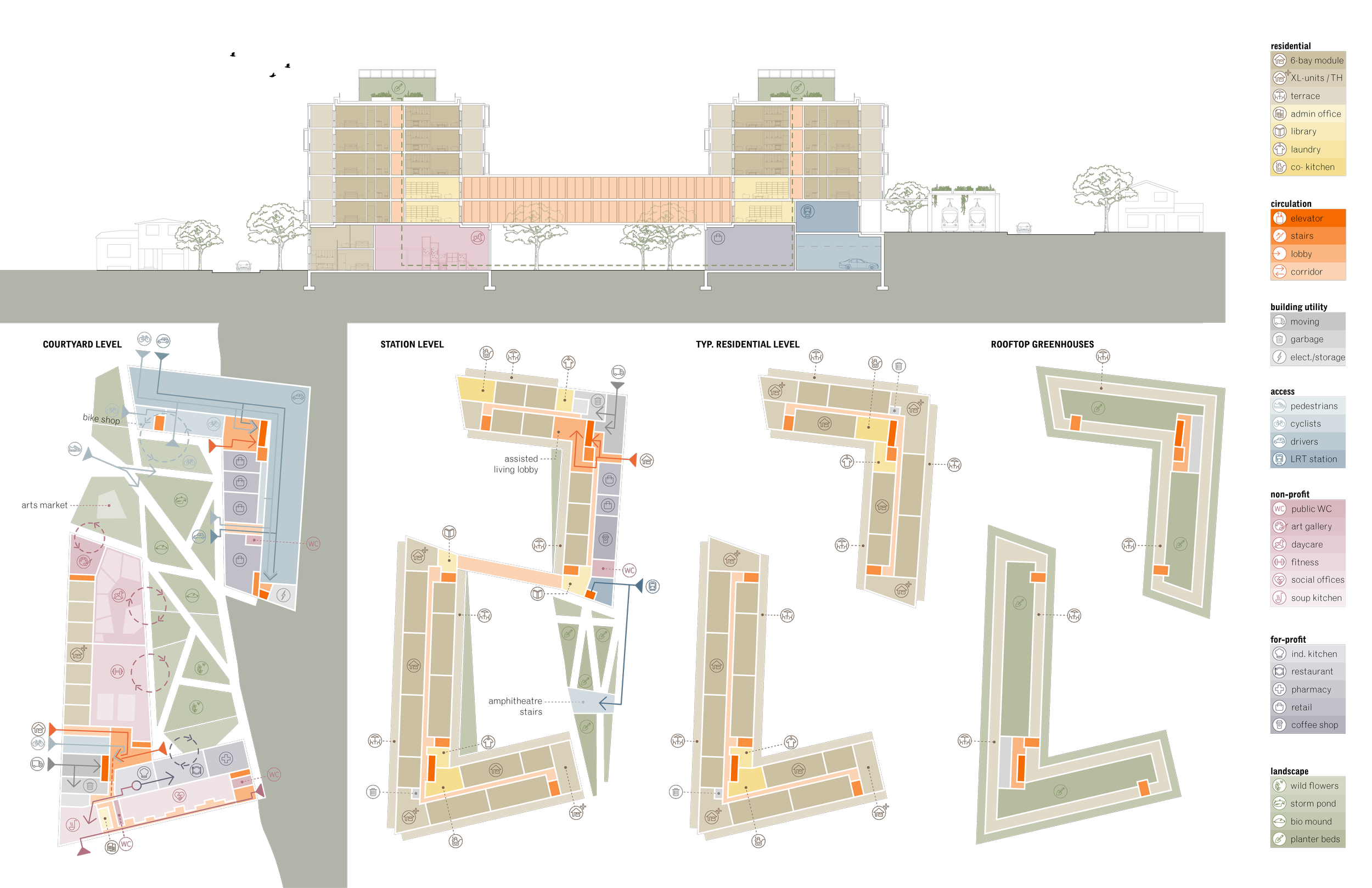
Sustainability in daily activity, as the name suggests, emphasizes collective food growing and eating, supported by a rich social program:
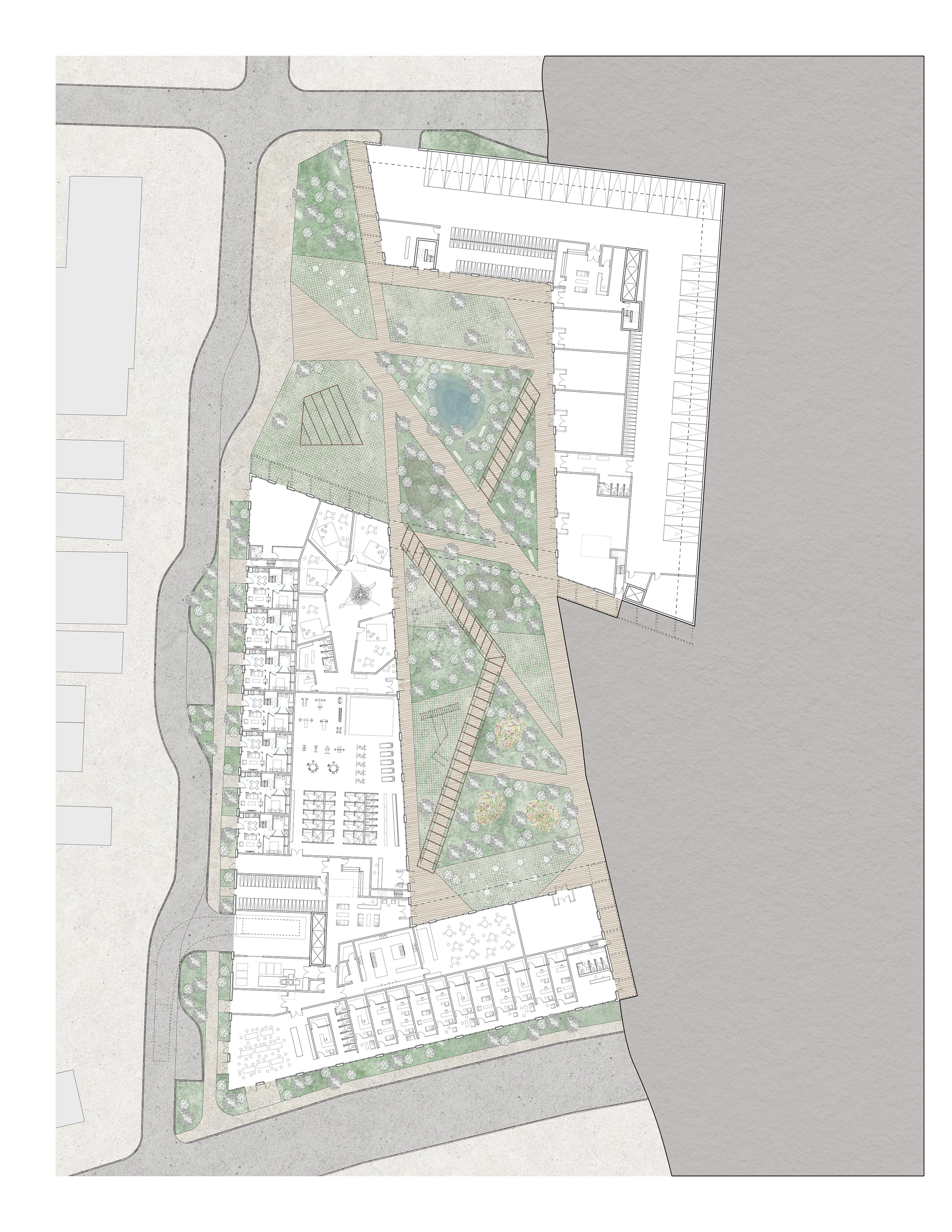
courtyard level
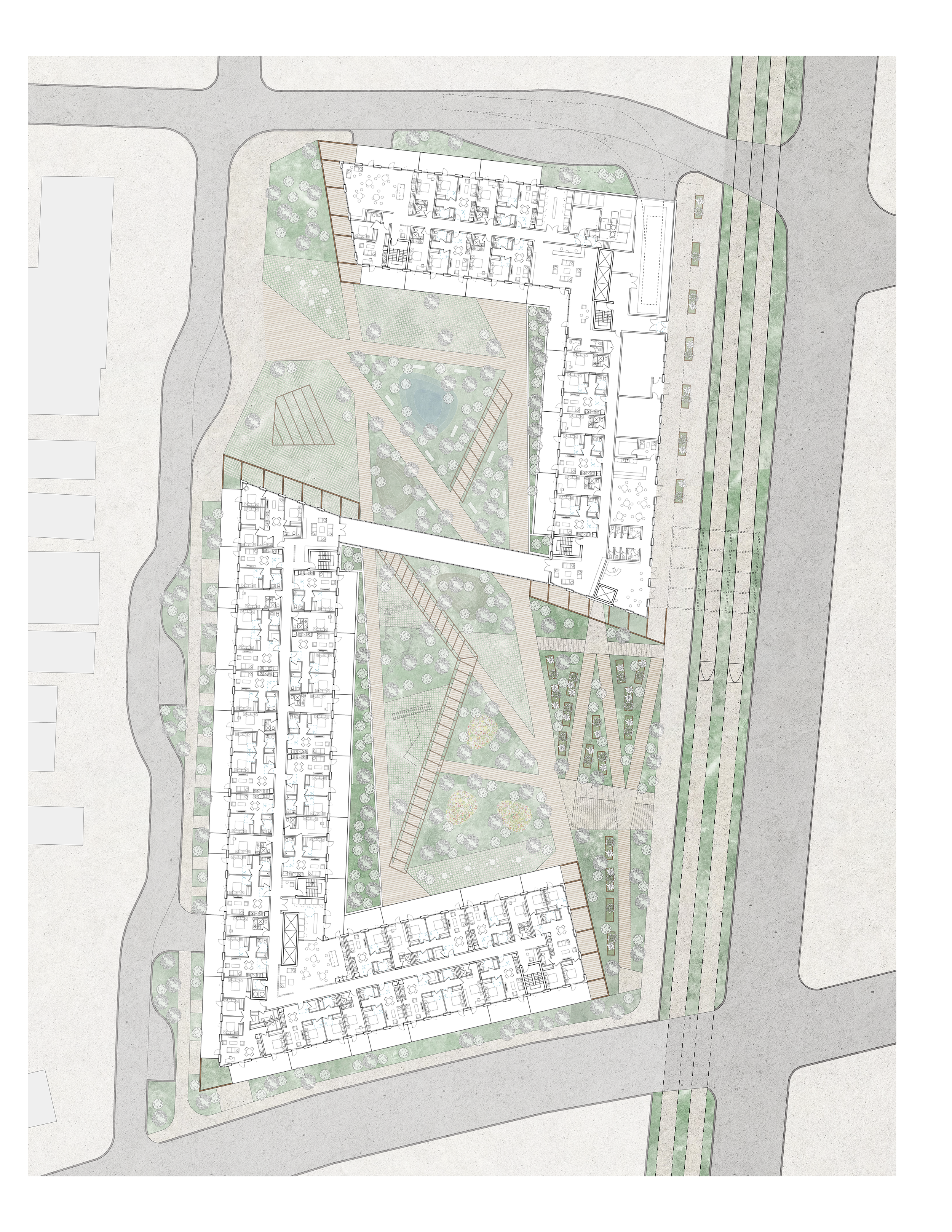
station level
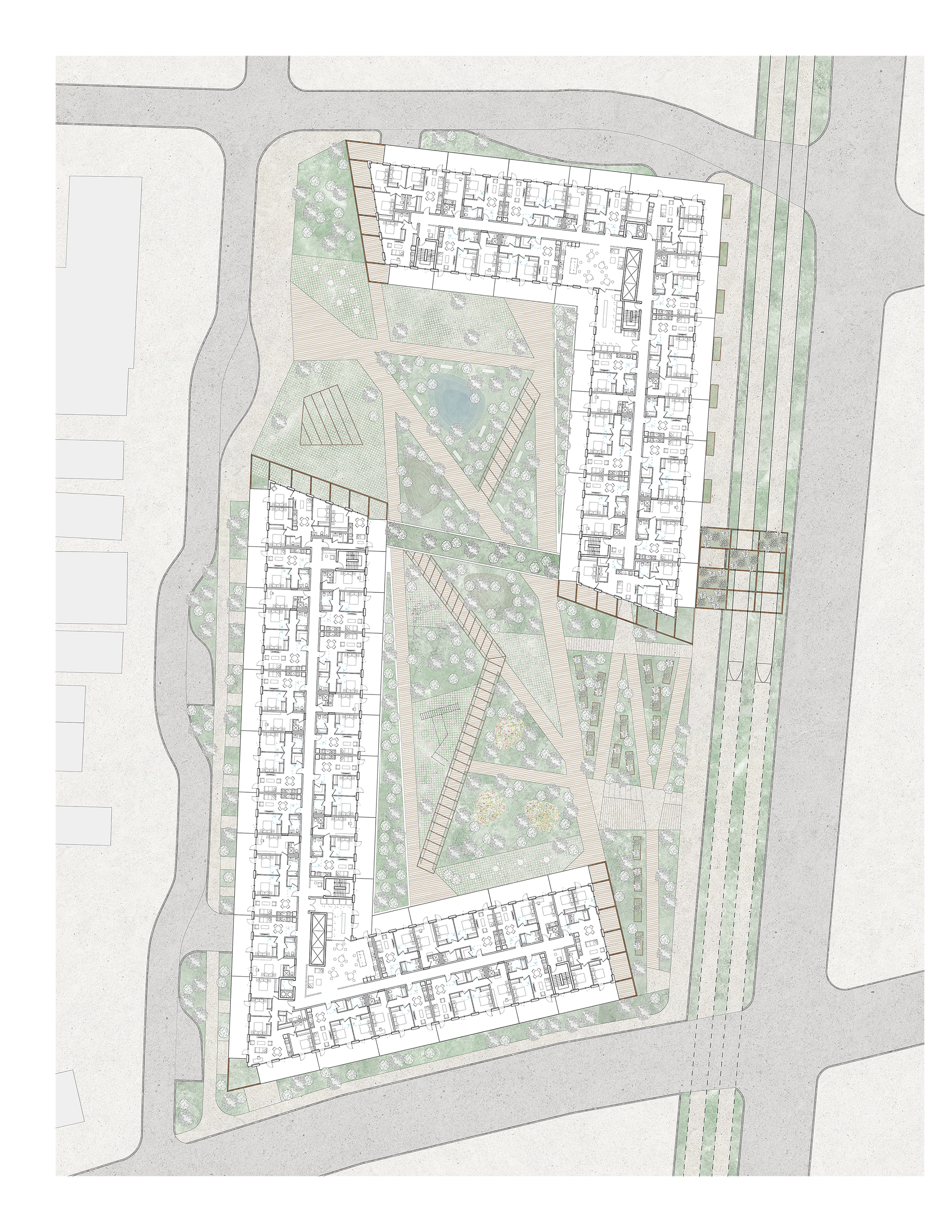
typ. residential level
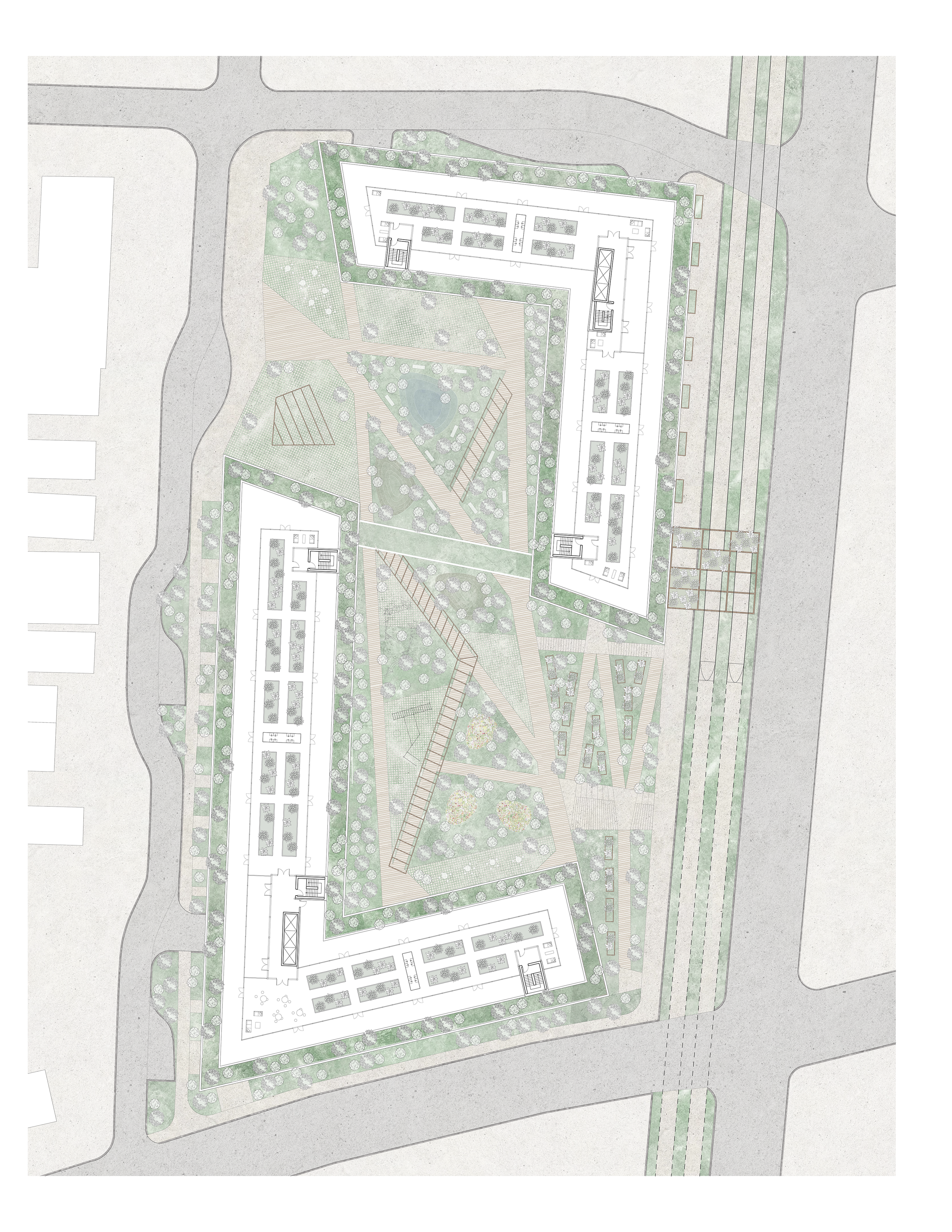
rooftop level
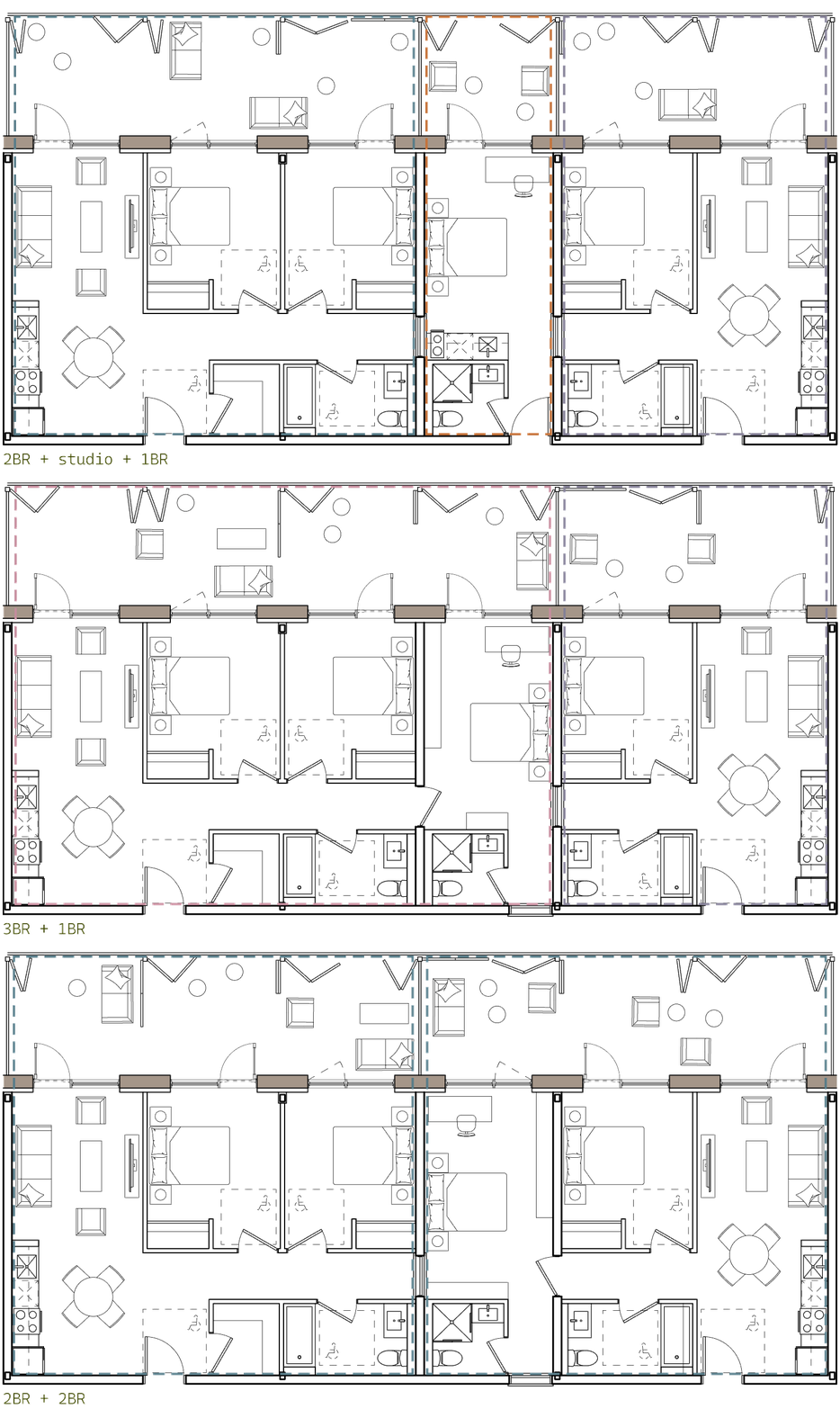
Sustainability in long term living is achieved through the design of a typical 6-bay unit module, allowing for future unit mix flexibility.
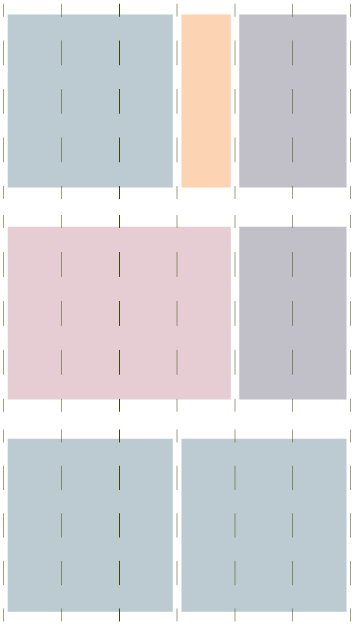
This design requires no renovations, it is accessible, and can adapt to the ever-changing future demands.
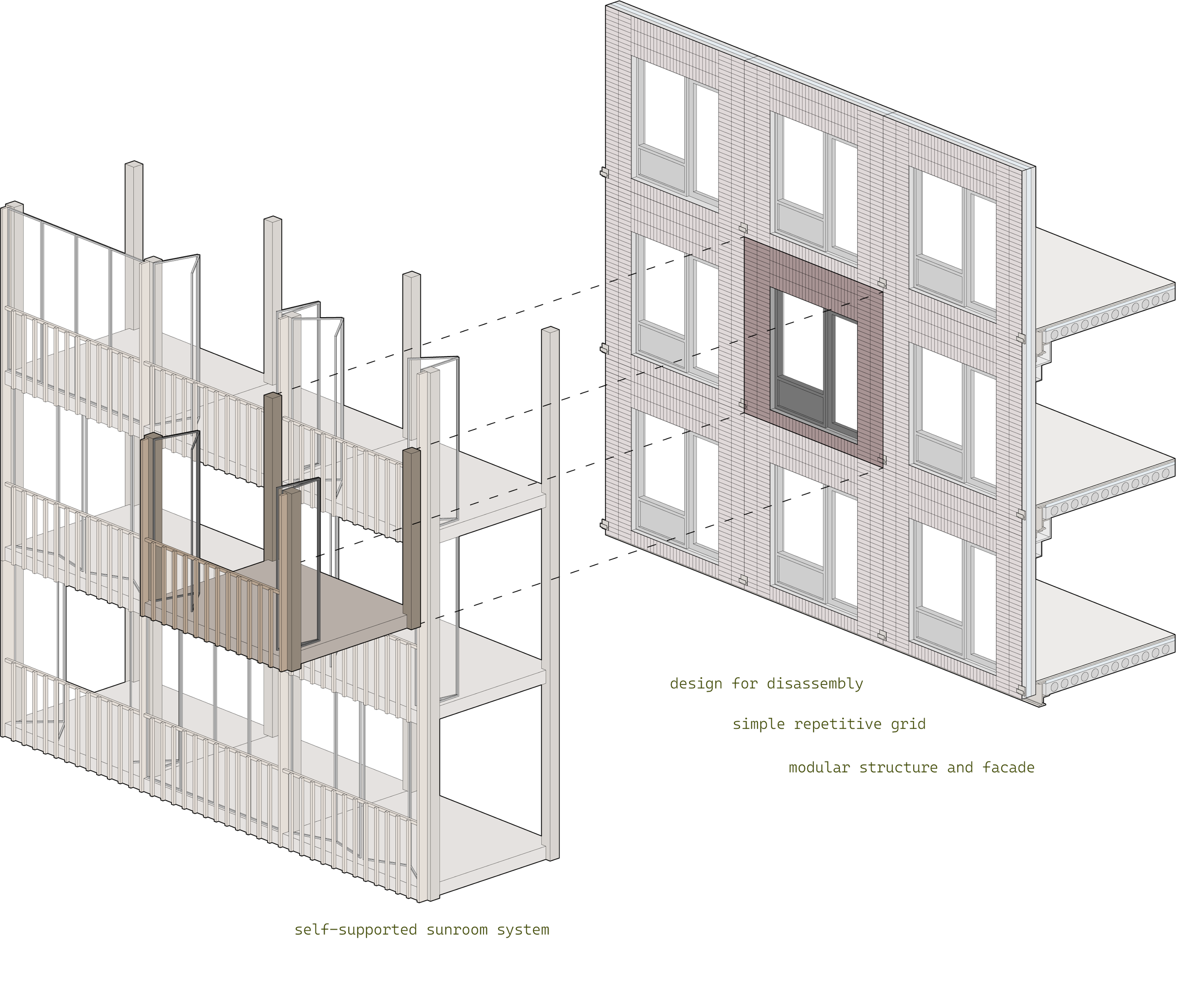
Sustainability in building construction continues the repetitive modular approach. Both the building’s superstructure and exterior walls are entirely modular and prefabricated, creating a “perfect box” enclosure.
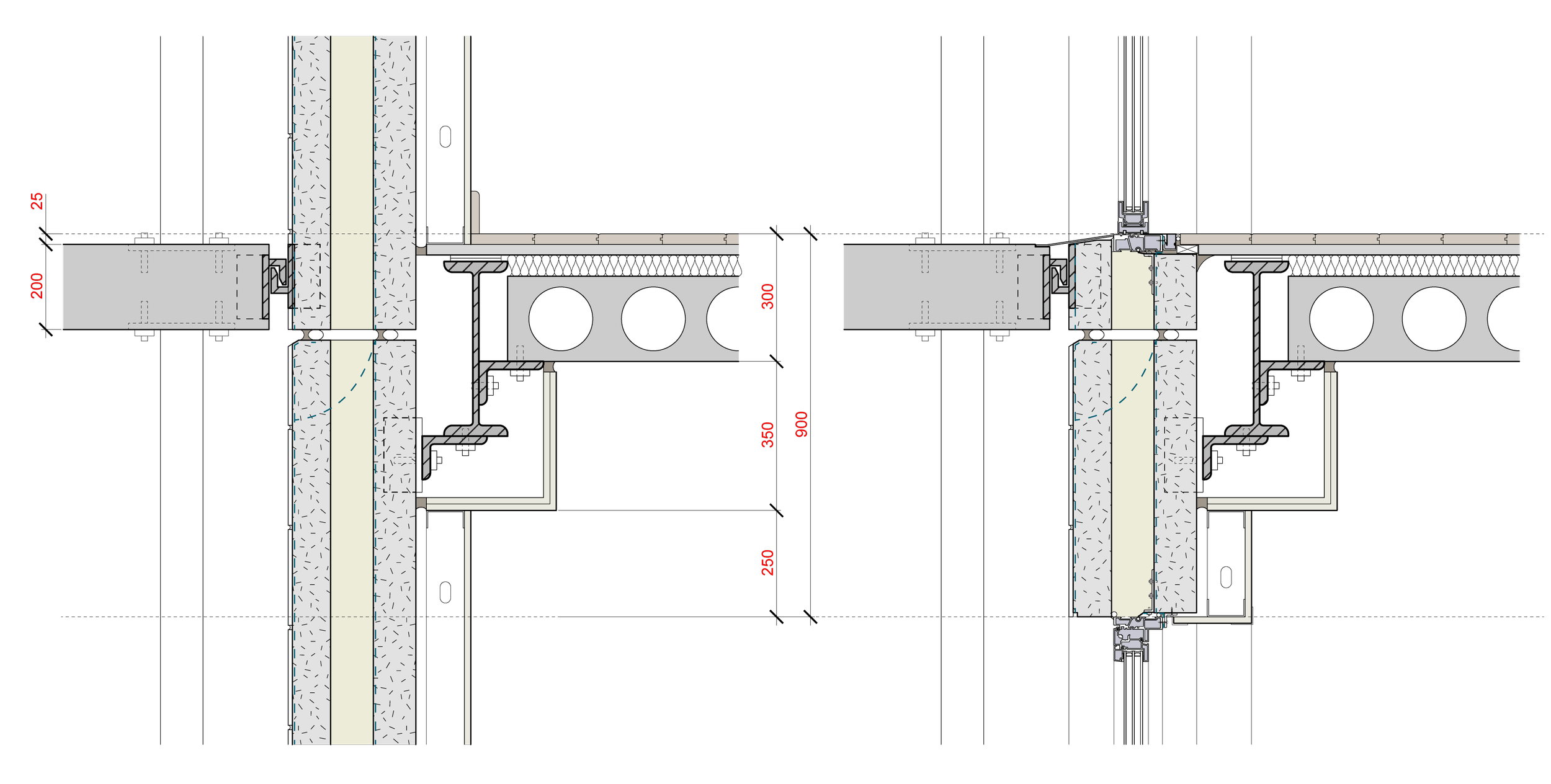
overall glazing less than 35%
continuous insulation
no thermal bridging
no welding or spray-on materials
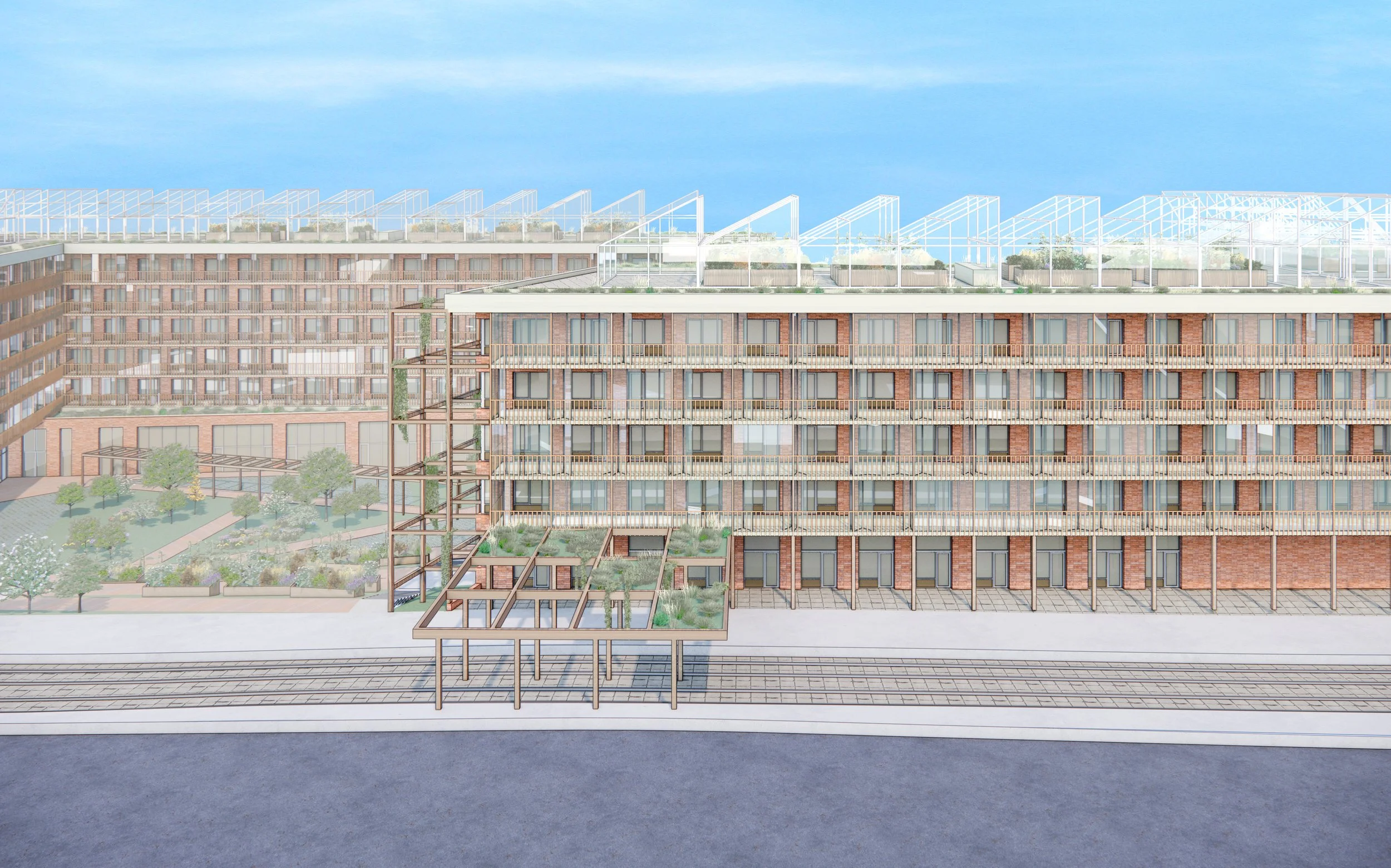
Crop Co-op connects living and growing, making self-sufficiency part of everyday life and sustainability tangible.
** initial design and research completed by Roksolana Ozerianska, Kimia Safdarzadeh, and Athena Walker.